Day 2
Day Two: Program Power Up
Start your day by connecting with fellow women leaders shaping the future of contingent staffing. This exclusive breakfast is designed to create space for meaningful conversations, knowledge-sharing, and peer-to-peer support. From navigating industry challenges to celebrating successes, join your colleagues for an energizing discussion that fosters connection, collaboration, and inspiration.
8:45 am - 8:50 am
Day Two Opening Remarks
8:50 am - 9:00 am
Chairperson's Remarks
9:00 am - 9:20 am
Fireside Chat: The Decisions That Actually Moved The Needle
Behind every successful contingent workforce program are a handful of difficult decisions that rarely make it into case studies. In this fireside chat, a senior enterprise leader reflects on the moments that fundamentally changed their program, including trade-offs they made, resistance they faced, and lessons learned the hard way. This conversation offers an unfiltered look at leadership, decision-making, and what truly drives progress in mature contingent staffing programs.
- Identify the types of decisions that create meaningful impact rather than incremental improvement
- Understand how to navigate internal resistance when change is necessary
- Apply leadership lessons that help drive alignment and execution across stakeholders
9:20 am - 9:40 am
KEYNOTE PRESENTATION: Transforming Contingent Workforce Management for the Future
As workforce demands continue to evolve, organizations are under increasing pressure to balance speed, quality, compliance, and cost while delivering a seamless experience for hiring managers and talent alike. The most successful programs are embracing new strategies, technologies, and operating models to navigate this complexity and drive measurable business outcomes.
9:40 am - 10:10 am
Panel Discussion Remix: When Governance Backfires - How Good Intentions Slow Hiring
Lou Holcomb -
Global Head, Contingent Workforce,
UKG
Daniel Caldwell -
Director of Procurement,
Rackley Roofing Company Inc.
Governance structures are designed to protect the business, but over time many contingent workforce programs accumulate layers of approvals, policies, and controls that quietly slow hiring and frustrate stakeholders. In this panel remix, enterprise leaders will share real examples of governance decisions that unintentionally created friction, how they identified the problem, and what they changed. Panelists will then join attendees in small group discussions to explore where governance may be backfiring in their own programs and how to simplify without introducing new risk.
- Identify governance controls that no longer reduce risk but continue to slow hiring
- Learn how leading programs evaluate and retire legacy approvals and policies
- Apply a practical framework to rebalance governance so it supports speed and adoption
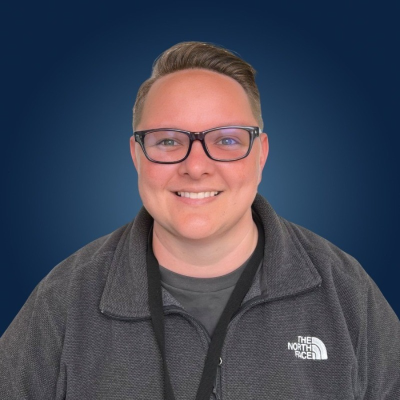
Daniel Caldwell
Director of ProcurementRackley Roofing Company Inc.
Even the most well-governed contingent workforce programs struggle when hiring managers and suppliers find ways to work around them. In this interactive working group, a supplier will facilitate a candid, peer-driven discussion on why adoption breaks down and how leading enterprises are redesigning processes, technology touchpoints, and partner behaviors to create programs people willingly engage with. Participants will work together to identify practical changes that increase compliance by improving experience rather than enforcement.
- Identify the top experience driven reasons hiring managers and suppliers bypass formal processes
- Map one process or interaction that can be redesigned to improve adoption without weakening governance
- Build a short action plan to increase compliance through clarity, speed, and usability
- Identify the foundational decisions that have the greatest long-term impact on program success
- Learn which early governance and process choices create flexibility rather than rigidity
- Build a practical first phase roadmap that supports growth without over engineering
11:45 am - 12:45 pm
Networking Lunch For All Attendees
12:45 pm - 1:30 pm
OUTSIDE THE BOX- ROUNDTABLES
Join your peers for a series of interactive executive roundtable discussions designed to tackle some of the most pressing challenges facing contingent workforce and procurement leaders today. These small group conversations provide a unique opportunity to exchange ideas, compare approaches, benchmark strategies, and learn from the experiences of fellow practitioners in a candid, off the record setting. Select the topic most relevant to your organization and leave with fresh perspectives, practical solutions, and valuable new connections.
Enterprise contingent workforce leaders rarely get the chance to step back and openly reflect on what they would do differently. In this buyer-led think tank, participants will share lessons learned from real programs, including decisions that paid off and those that created unintended complexity. The discussion will focus on how buyers would redesign governance, process, and partnerships if they were starting fresh today.
- Identify program decisions that create long-term value versus those that add complexity
- Learn which early choices are hardest to unwind later
- Build a practical reset checklist to apply to existing programs
2:00 pm - 2:30 pm
Afternoon Networking Break
EOR has moved from an edge-case tool for one-off international hires to a core part of how mature contingent programs manage classification risk, cross-border hiring, and supplier consolidation. With the US DOL rule in flux and EU enforcement tightening, the question for most program owners is no longer whether to use EOR but how — which engagements belong on EOR, which suppliers do it well, how to govern the relationship, and where the trade-offs actually show up. In this buyer-led working group, Thespina Spivey of The Coca-Cola Company walks through what's working inside an enterprise program and facilitates a peer discussion on the choices Gen2 and mature programs are making in 2026.
Actionable Takeaways
- Identify which engagement types belong on EOR versus IC, AOR, or staff aug — and the decision criteria mature programs are actually using
- Pressure-test your current EOR governance model against the regulatory shifts of the last 12 months (DOL proposed rule, EU Platform Work Directive, Netherlands enforcement)
- Build a short EOR supplier-evaluation checklist that holds up across geographies

As contingent workforce programs mature, traditional success metrics often fail to capture what actually matters to the business. In this think tank, enterprise buyers will step back to examine how they define success today, which measures still drive the right behavior, and which ones may be reinforcing outdated priorities. The discussion will focus on aligning program goals with business outcomes rather than operational activity.
- Identify which success metrics no longer reflect business value
- Learn how peers are redefining program success for mature environments
- Build a refined scorecard that better aligns to speed, quality, and stakeholder trust
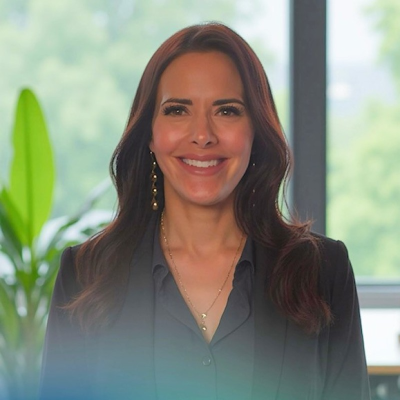
Kimberly Dinsmore
Senior Manager of External Workforce, Talent Acquisition and Human ResourcesMIT Lincoln Laboratory